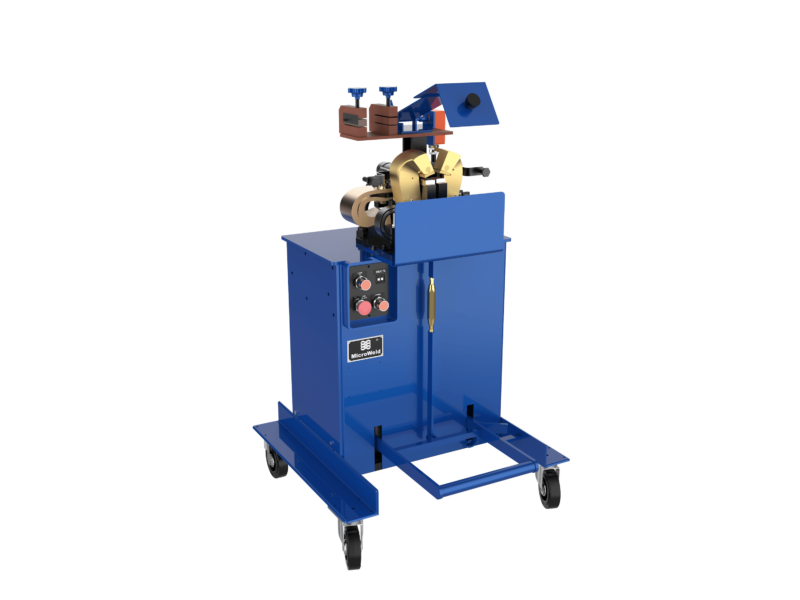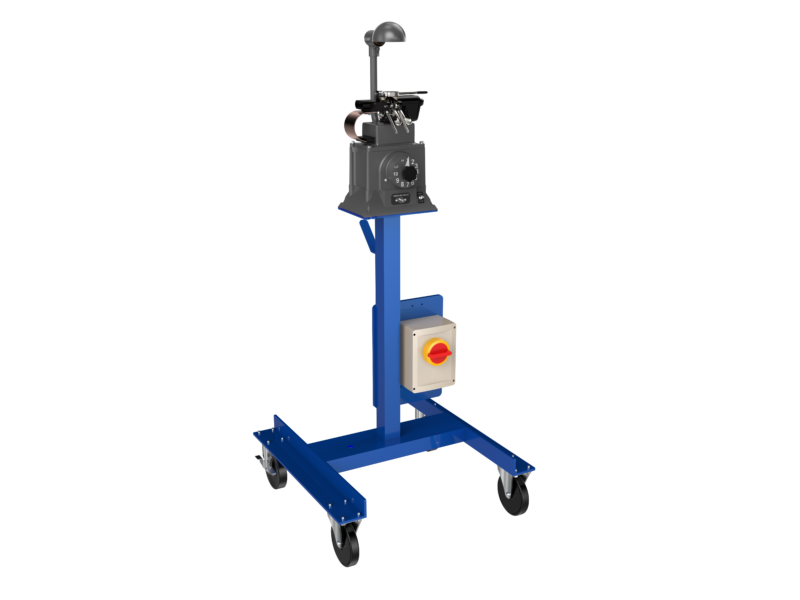
E1S
Stainless Steel, Steel, Titanium
View Product

Designed for strength, precision, and long-lasting performance, our butt welding systems deliver clean, reliable welds for high-tensile and multi-strand wire rope applications. We provide comprehensive solutions—including rugged components, expert training, and custom configurations—to ensure your production runs with maximum efficiency and consistency. Rely on Micro Weld for dependable welding technology built for wire rope manufacturing.
Wire rope welding is used in applications where high-tensile, multi-strand constructions must be joined with strength, consistency, and precise strand consolidation. Wire rope butt welding machines are engineered to handle complex rope geometries while maintaining structural integrity and downstream process compatibility.
Common wire rope welding applications include:
These applications demand robust clamping, controlled heat delivery, and repeatable upset to preserve rope performance characteristics.
Wire rope welding machines are used in manufacturing environments where product safety, tensile performance, and production continuity are critical.
Typical industries and production settings include:
In these environments, wire rope welding equipment must deliver consistent, reliable joints that support both performance and safety requirements.
Yes. Wire rope welding machines are specifically designed to weld multi-strand, high-tensile wire rope by consolidating strands into a stable, repeatable joint.
Wire rope welding typically involves larger diameters, higher tensile requirements, and more complex strand structures, requiring heavier-duty clamping and precise heat control.
Yes. Wire rope butt welding machines are built for continuous or high-cycle production environments where uptime and consistency are essential.
Wire rope welding systems can be configured to integrate with existing rope processing, closing, and handling equipment.
Micro-Weld provides training, technical support, and service to help ensure wire rope welding machines operate reliably throughout their service life.
Micro-Weld combines nearly 100 years of welding expertise with heavy-duty machine design, application-specific configurations, and long-term service support—reducing risk in demanding wire rope manufacturing environments.
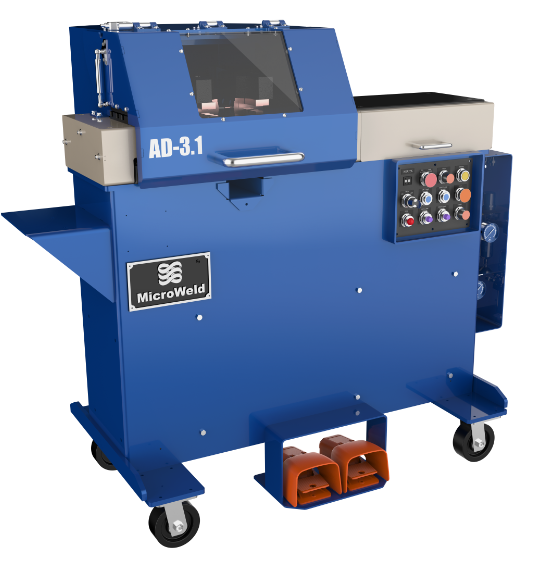
At Micro Weld, we pride ourselves on our dedicated customer care and support team. Our team is always ready to listen to your needs and work in partnership with you to develop the right solution for your team!