E1S
Stainless Steel, Steel, Titanium
View Product

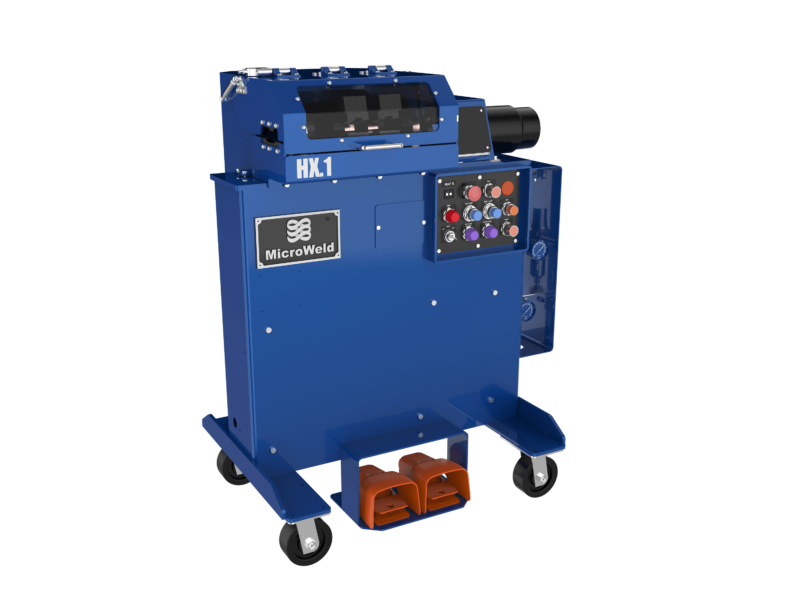
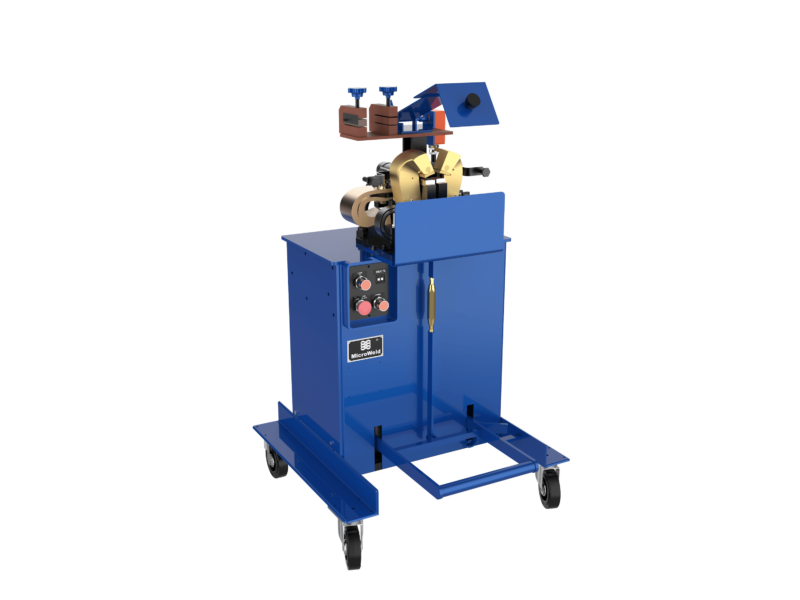
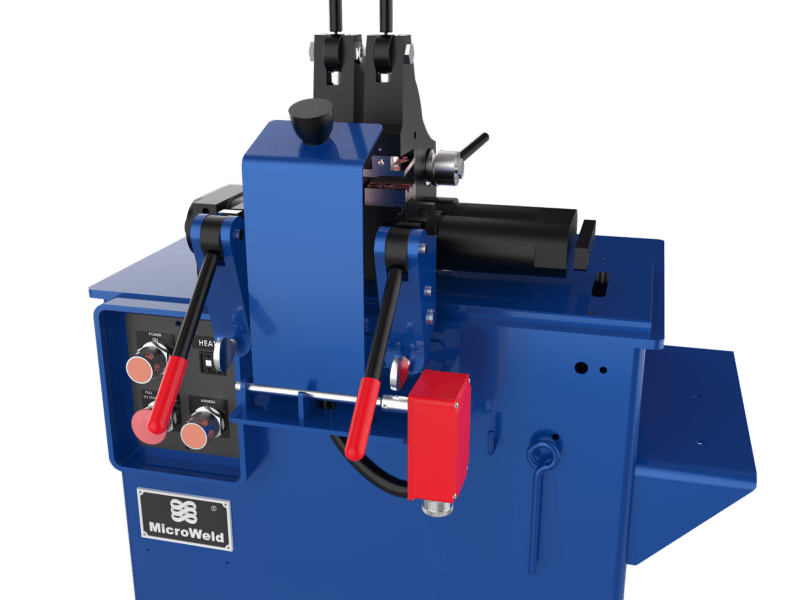
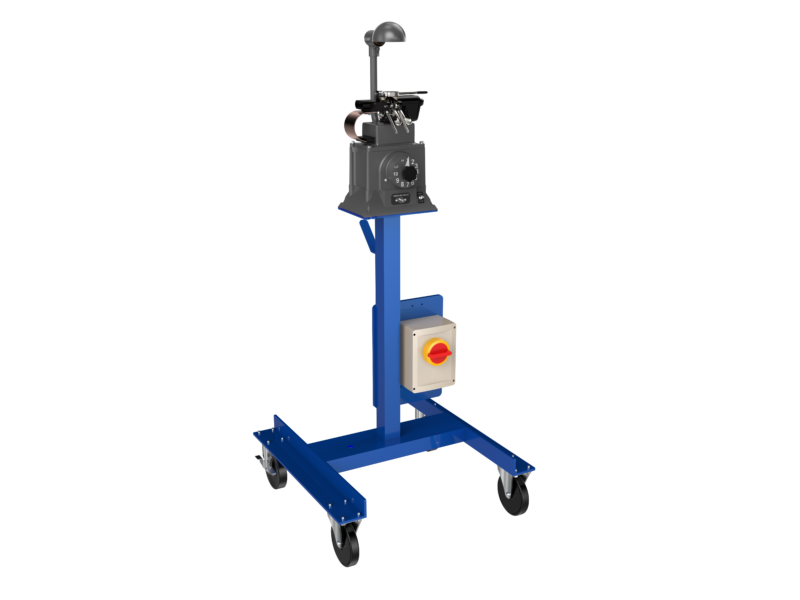
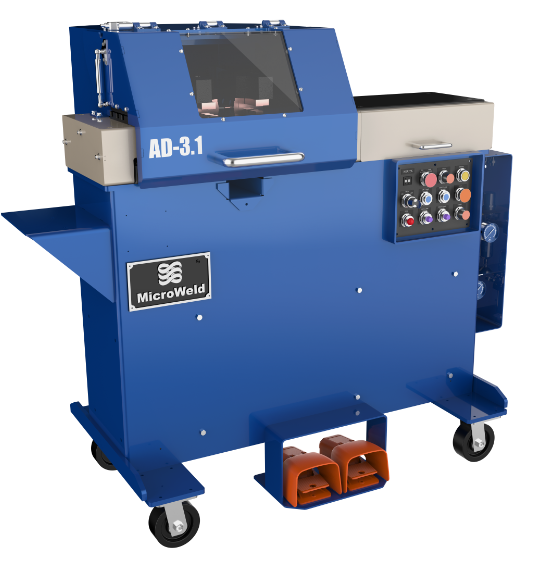
Engineered to meet the demands of the fencing industry, our machines deliver consistent, high-quality welds for steel, wire mesh, and other fencing materials. Whether for residential, commercial, or industrial applications, our solutions ensure durability and long-lasting performance. We provide robust components, expert training, and customizable upgrades to optimize efficiency and output. Enhance your manufacturing process with our advanced fence welding machines—designed for accuracy, reliability, and superior weld integrity.
Fence welding machines are used in production environments where joint consistency, throughput, and long-term durability directly affect finished fence performance. Fence welders support repeatable joining of steel wire and mesh products so panels and components hold up to installation stress and field conditions.
Common fence welding applications include:
These applications require stable clamping and consistent heat input to avoid weak joints, distortion, or downstream handling issues.
Fence welding equipment is commonly used where high-volume wire forming and mesh production demands consistent output with minimal scrap.
Typical industries and production settings include:
In these environments, fence welding machines must deliver reliable performance under high cycle counts while maintaining weld integrity across long runs.
Fence welders are typically used for steel wire, rod, and wire mesh products used in welded wire panels and fence assemblies.
Yes. Fence welding machines are designed for high-cycle manufacturing where throughput, repeatability, and low scrap rates are critical.
Consistent weld integrity and alignment help ensure panels and components maintain strength through handling, installation, and long-term field exposure.
Fence welding machines can be configured to integrate with existing payoff, straightening, forming, and downstream handling equipment to support production flow.
Micro-Weld provides training, technical support, and service to help keep fence welding machines running reliably and to support process optimization over time.
Micro-Weld combines nearly 100 years of welding expertise with durable machine design, application-specific configurations, and long-term support that helps fencing manufacturers reduce risk and maintain output.
At Micro Weld, we pride ourselves on our dedicated customer care and support team. Our team is always ready to listen to your needs and work in partnership with you to develop the right solution for your team!