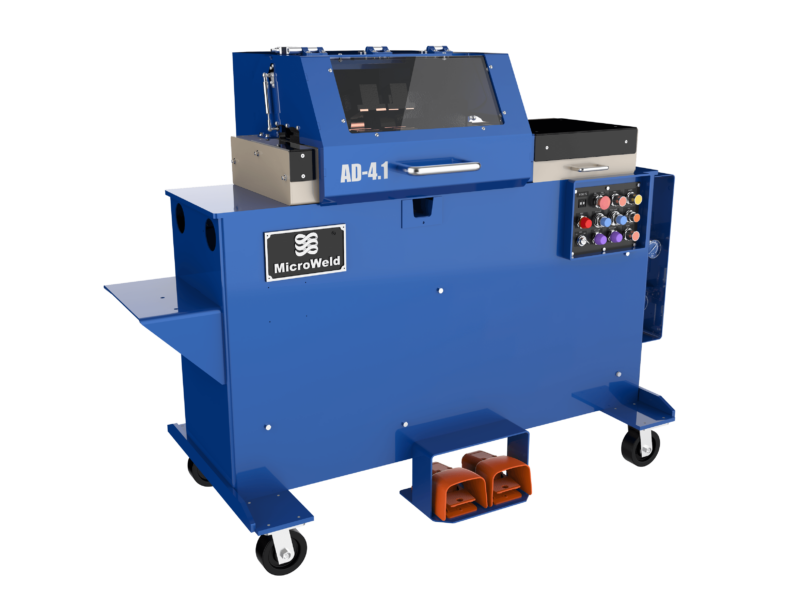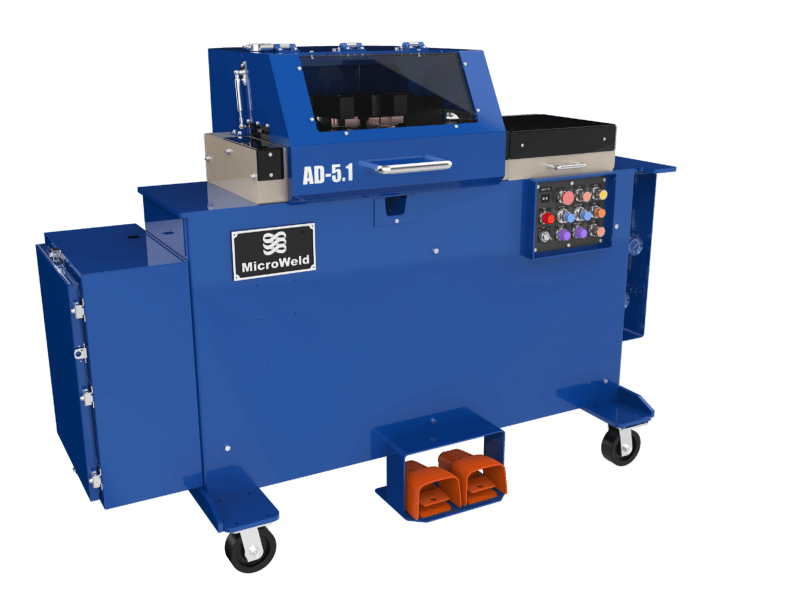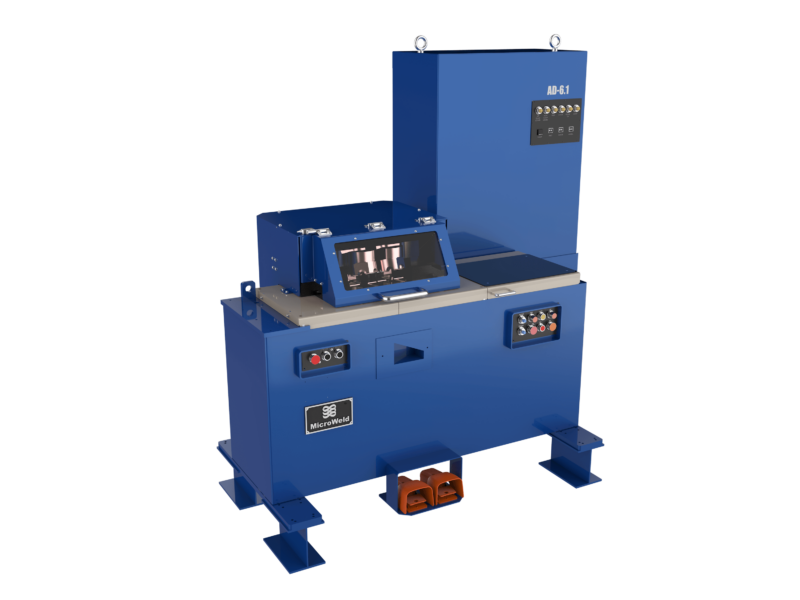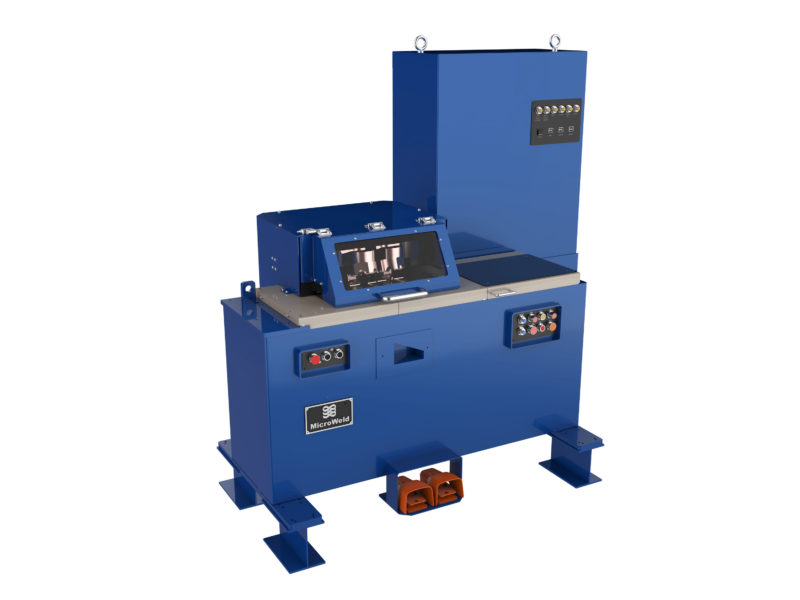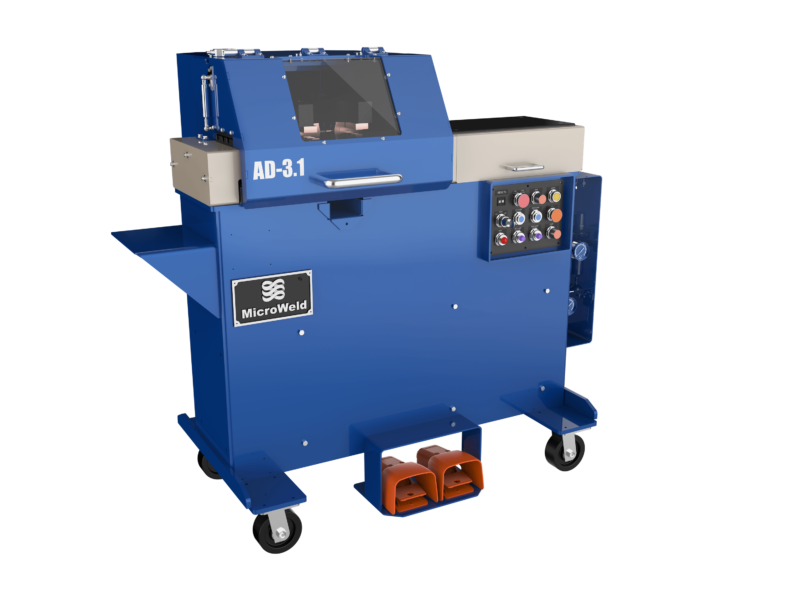
AD-3.1
Aluminum, Brass, Bronze, Copper, Nickel
View Product

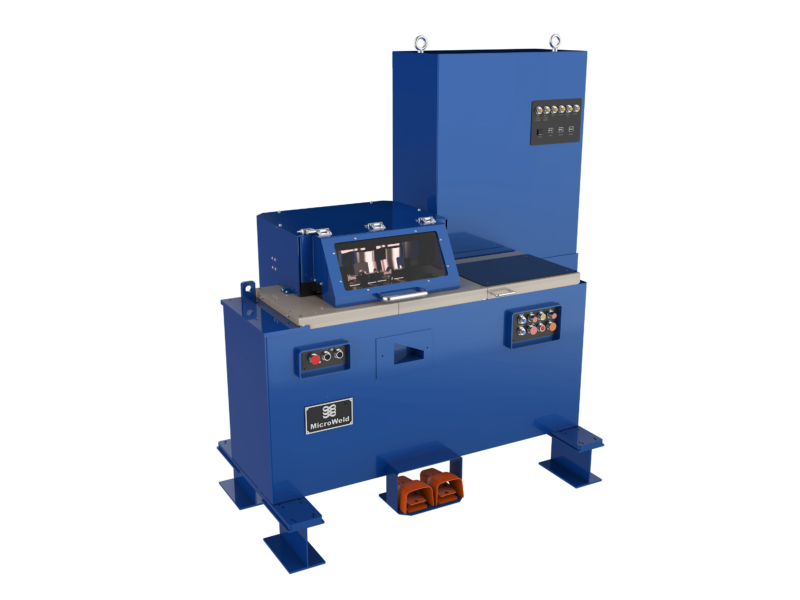
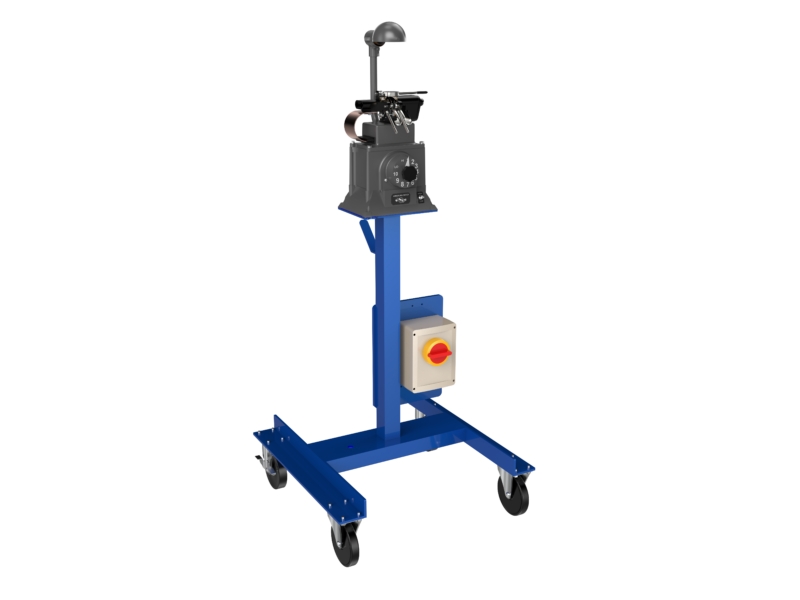
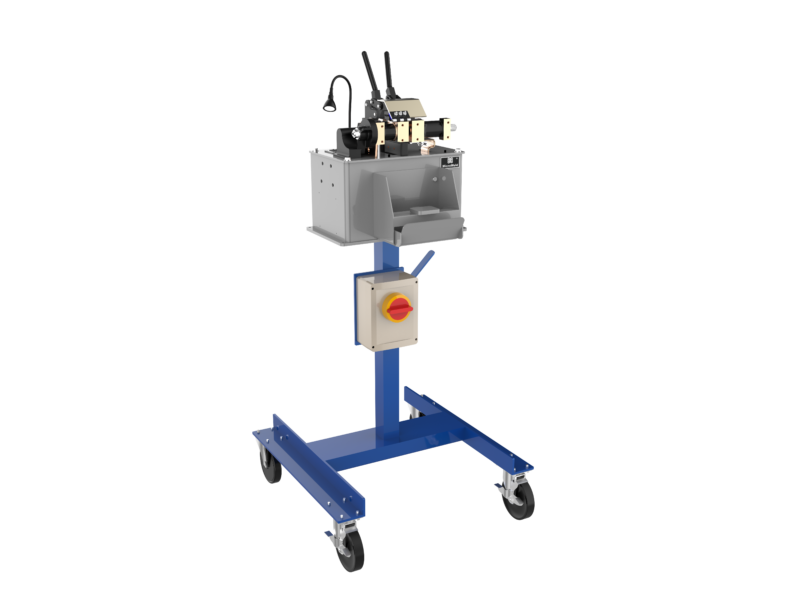
Designed to meet the unique specifications of your manufacturing needs, our wire welding machines are built to handle any job. We offer a comprehensive range of solutions, including high-quality components, expert training, and customizable upgrades, ensuring you have everything necessary for optimal performance. Elevate your wire welding capabilities with our cutting-edge technology and unwavering commitment to quality.
Wire butt welding is used in production environments where wire continuity, weld integrity, and downstream process stability are critical. Wire butt welders are engineered to create consistent end-to-end joints that pass reliably through drawing, jacketing, and finishing operations.
Common wire butt welding applications include:
These applications require repeatable weld geometry and stable process control to avoid failures during secondary operations.
Micro-Weld wire welding machines are used in manufacturing environments where uptime, throughput, and weld consistency directly impact production efficiency and product quality.
Typical industries and production settings include:
In these environments, wire butt welding machines must operate reliably under high cycle counts with minimal operator intervention.
Wire butt welding machines are commonly used to weld steel, stainless steel, copper, aluminum, and other compatible wire materials used in industrial production.
Properly executed wire butt welds maintain alignment and consistent cross-section, allowing welded wire to pass smoothly through drawing dies, jacketing lines, and other downstream equipment.
Yes. Wire butt welding machines are designed for continuous, high-cycle production environments where repeatability, uptime, and low scrap rates are essential.
Wire welding machines can be configured to integrate with existing payoff, take-up, and processing equipment to support continuous operation.
Micro-Weld provides responsive sales and service support, including training, troubleshooting, and process optimization, to help minimize downtime.
Micro-Weld combines nearly 100 years of welding expertise with application-specific machine design, durable construction, and long-term service support—helping wire and cable manufacturers maintain stable, efficient production.
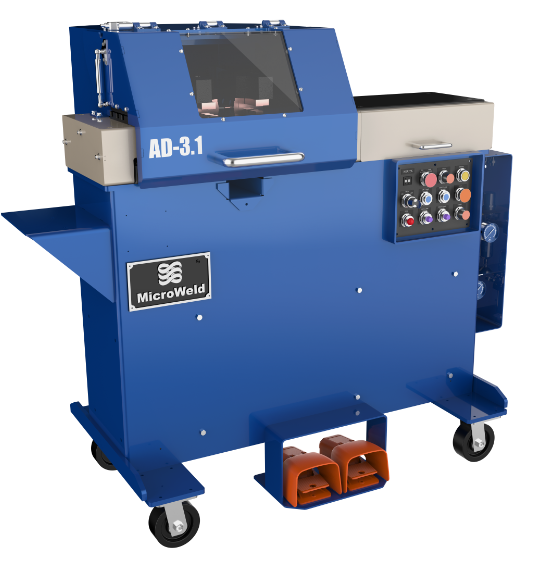
At Micro Weld, we pride ourselves on our dedicated customer care and support team. Our team is always ready to listen to your needs and work in partnership with you to develop the right solution for your team!