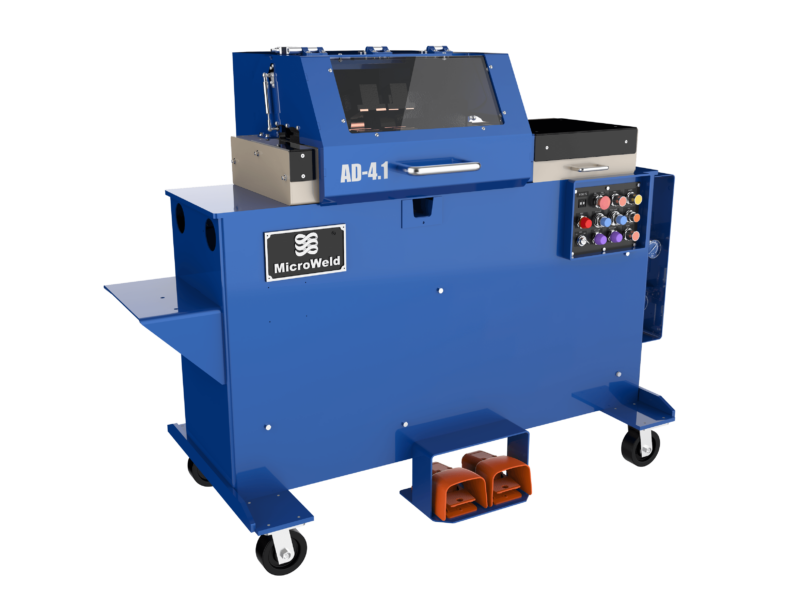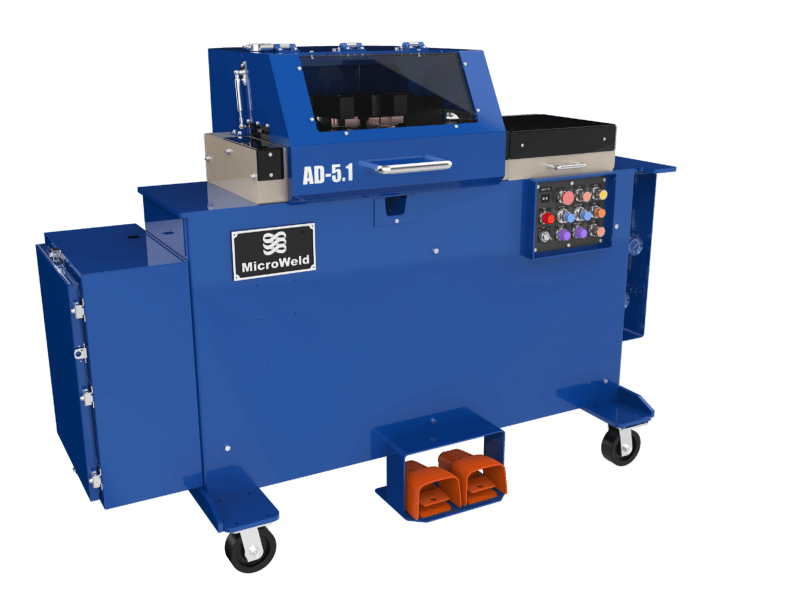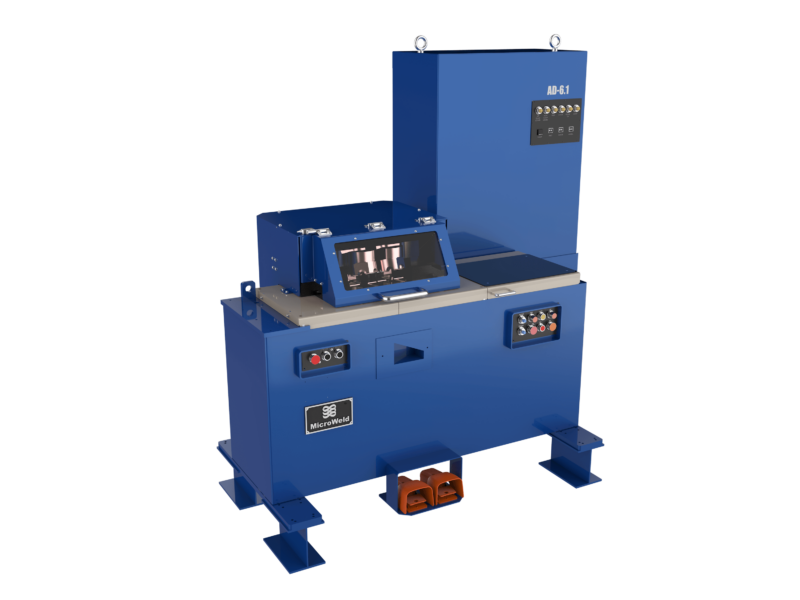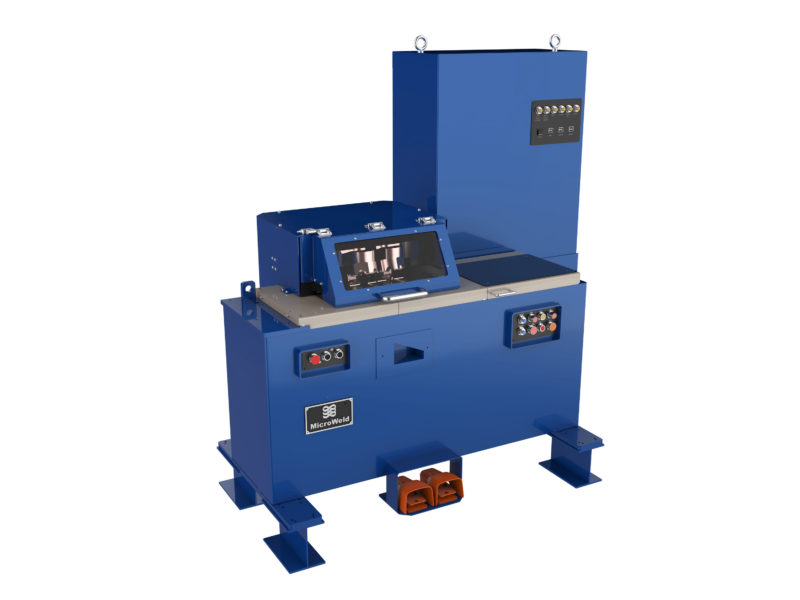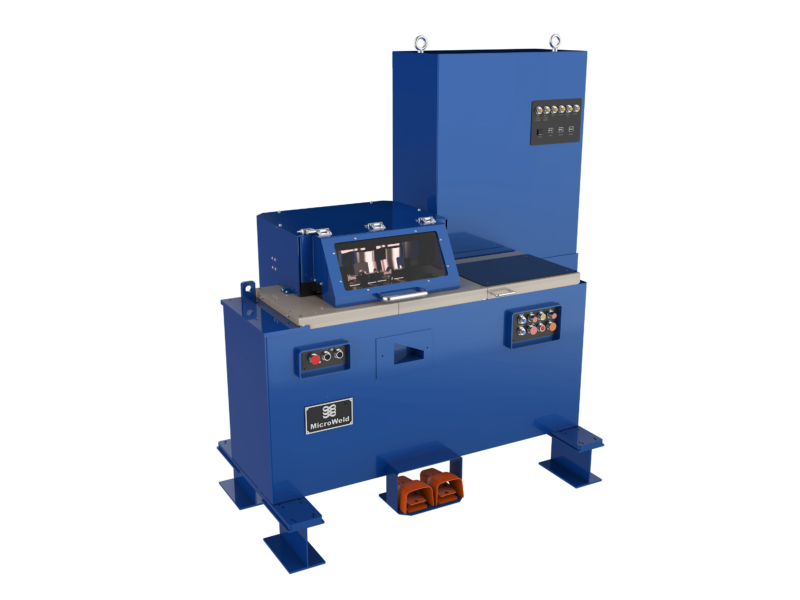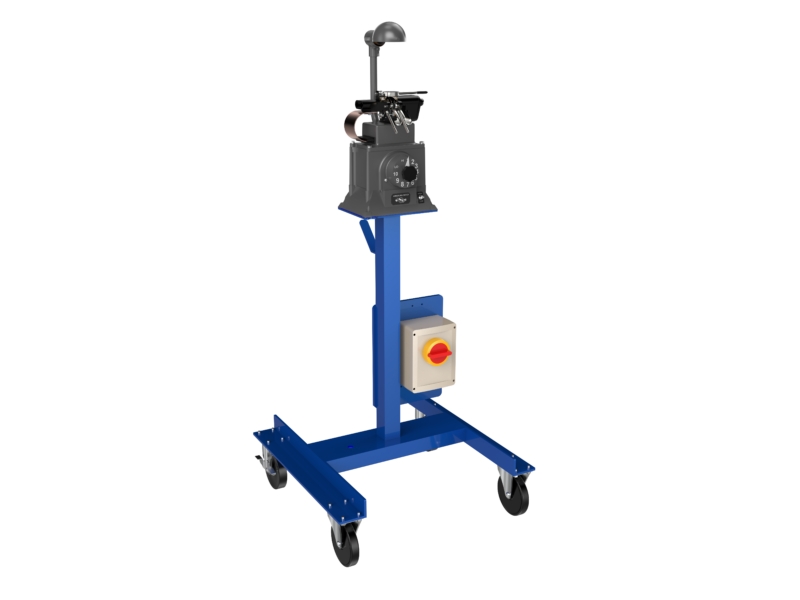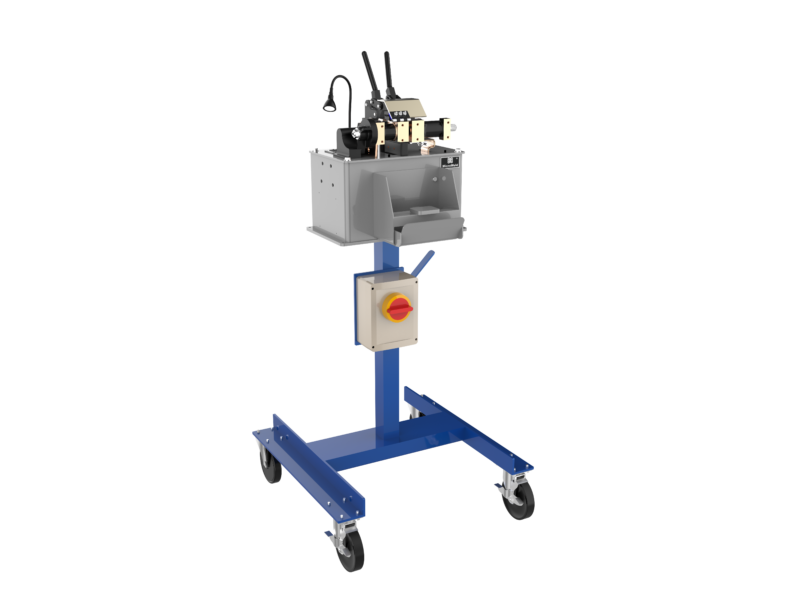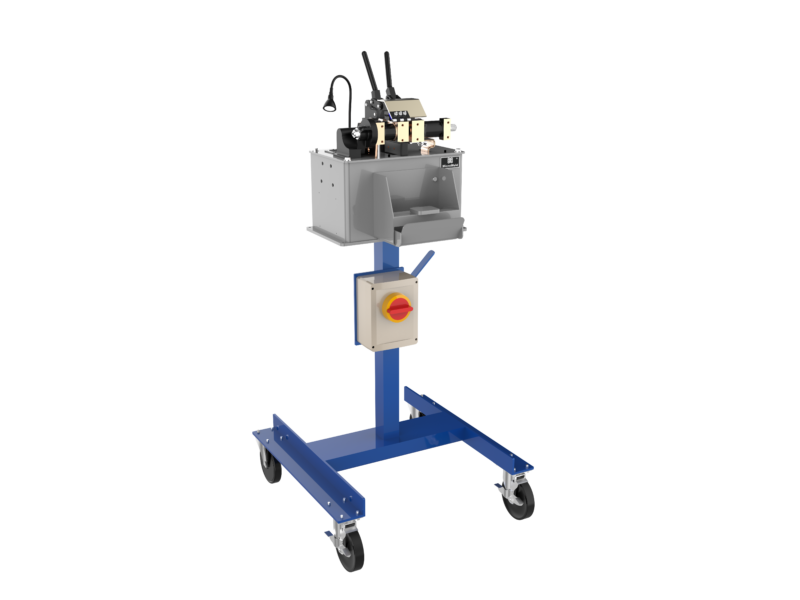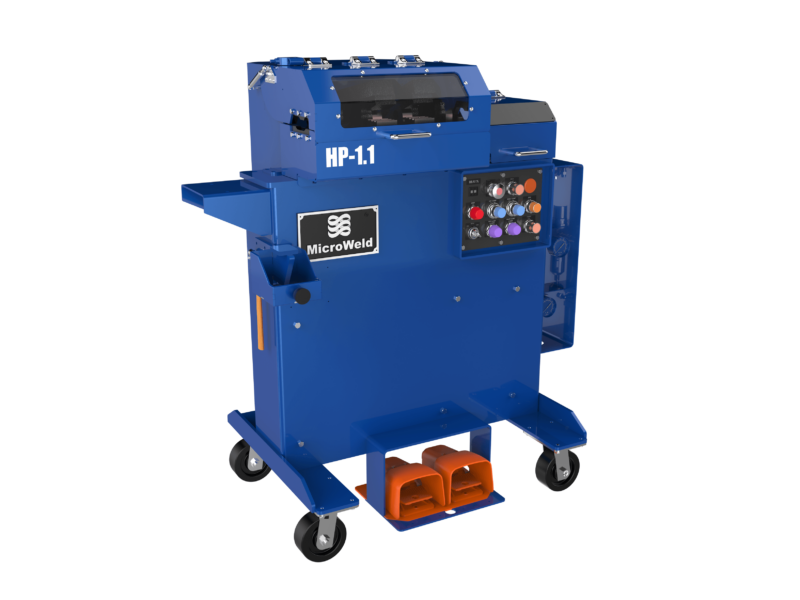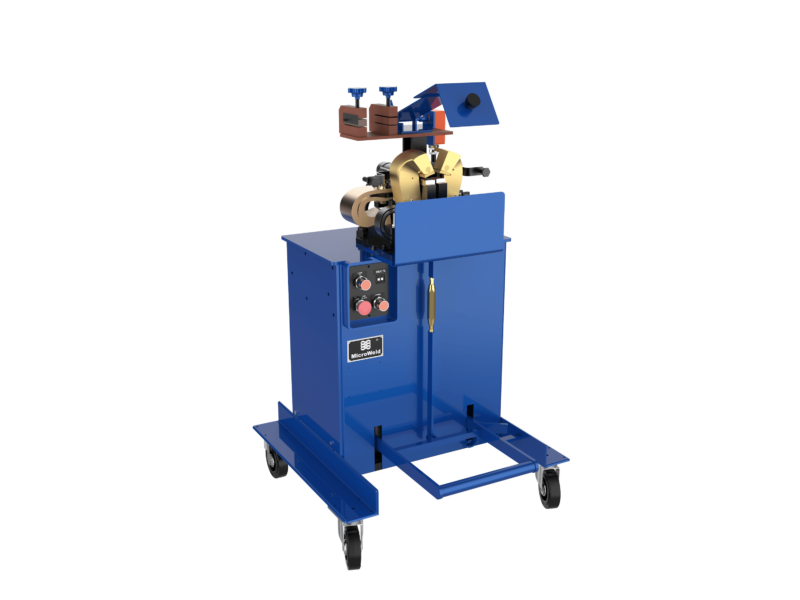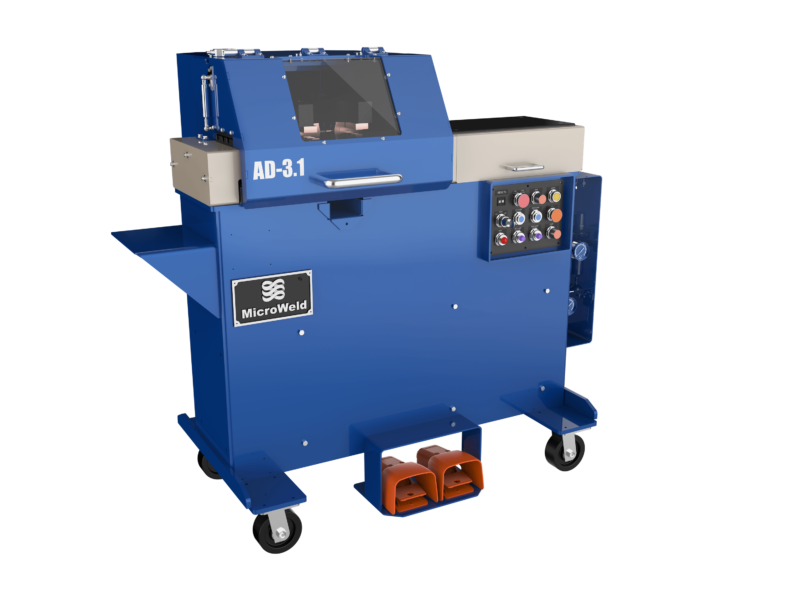
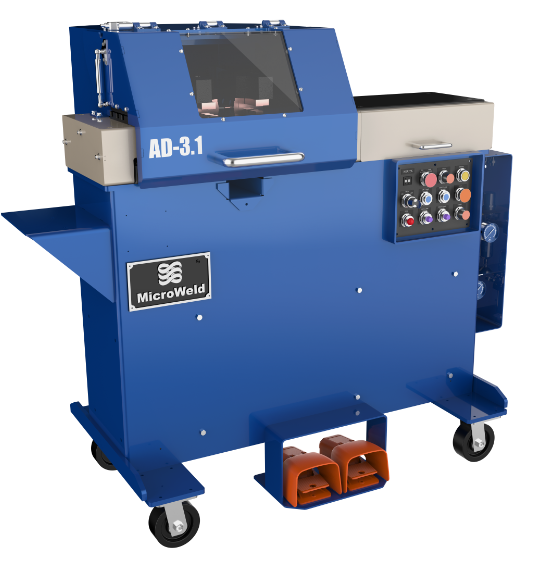
AD-3.1 Small-to-Mid Copper & Aluminum Butt Welder
Aluminum, Brass, Bronze, Copper, Nickel
View Product

Engineered to meet the demands of industries such as aerospace, electrical, and automotive manufacturing, our machines provide high-quality welds for aluminum, copper, brass, and other non-ferrous metals. We offer a complete range of solutions, including premium components, expert training, and customizable upgrades, ensuring you have everything needed for optimal performance. Enhance your non-ferrous welding capabilities with our advanced technology and commitment to quality.
Common Non-Ferrous Welding ApplicationsNon-ferrous welding is typically used in applications where conductivity, corrosion resistance, and material-specific behavior must be carefully controlled. Micro-Weld non-ferrous welding machines support repeatable butt welding of aluminum, copper, brass, and other non-ferrous metals used in production environments. Common non-ferrous welding applications include:
These applications require material-specific process control to maintain consistency and avoid downstream defects. Common Non-Ferrous Welding Industries & Production EnvironmentsMicro-Weld non-ferrous welding machines are used in manufacturing environments where material properties and weld reliability directly affect performance and product quality. Typical industries and production settings include:
In these environments, welding of non-ferrous metals must be precise, repeatable, and reliable to support downstream operations. Non-Ferrous Welding FAQsHow does a Micro-Weld non-ferrous welding machine integrate into existing production lines?Micro-Weld non-ferrous butt welders are designed to integrate into established production environments and can be configured to match material sizes, production speeds, and upstream/downstream equipment. How does welding non-ferrous metals differ from ferrous welding?Non-ferrous welding often requires tighter control of heat input and process parameters due to differences in conductivity and melting behavior. Micro-Weld machines are engineered to support these material-specific requirements. Are Micro-Weld non-ferrous welding machines suitable for continuous, high-cycle production?Yes. Micro-Weld non-ferrous welders are built for repeatable performance in high-cycle production environments where uptime and consistency are critical. What level of service and technical support is available after installation?Micro-Weld provides responsive sales and service support with direct access to experienced technical staff, helping minimize downtime and support process optimization. Are parts and upgrades available long term? Why choose Micro-Weld for non-ferrous welding applications?Micro-Weld’s vertically integrated design, manufacturing, and service model—combined with fast response times and long-term customer relationships—reduces risk for manufacturers welding non-ferrous metals. |
At Micro Weld, we pride ourselves on our dedicated customer care and support team. Our team is always ready to listen to your needs and work in partnership with you to develop the right solution for your team!