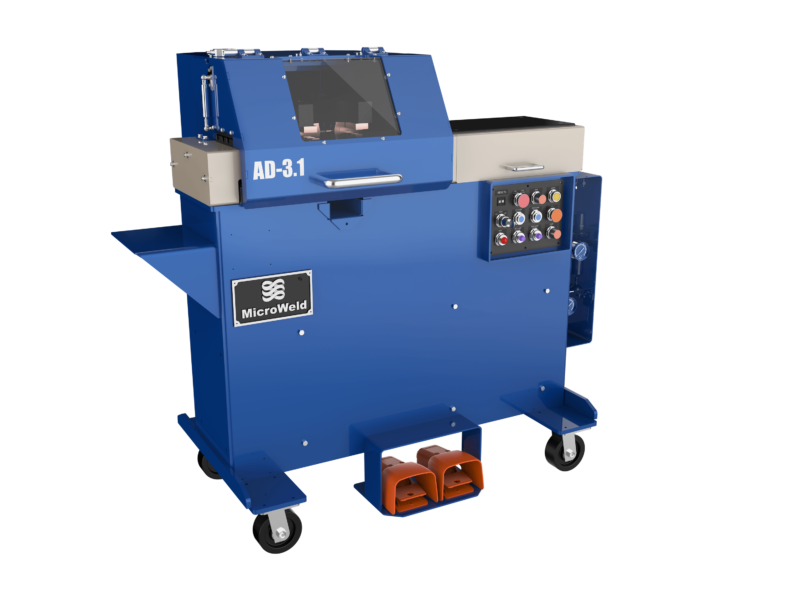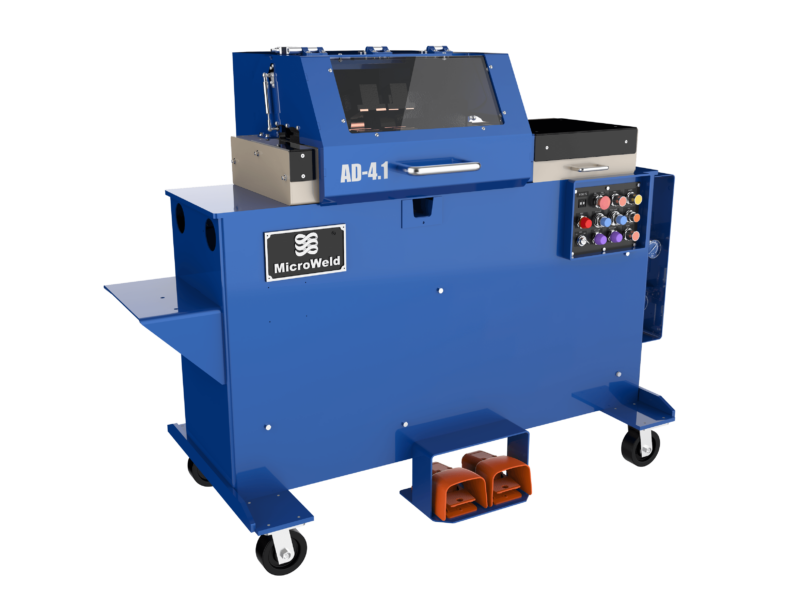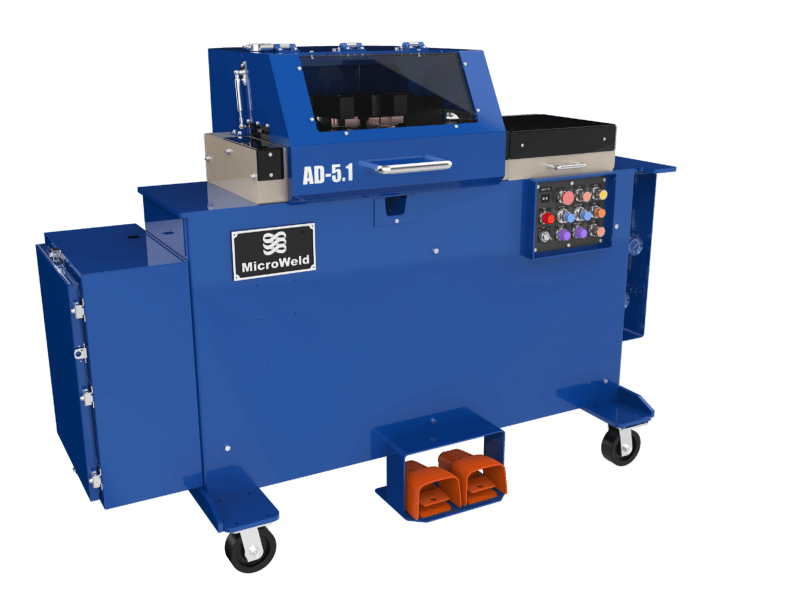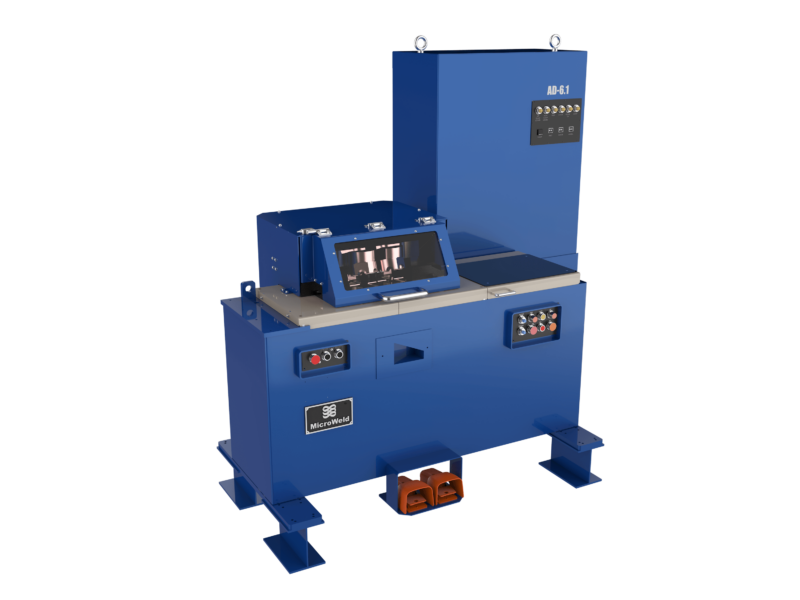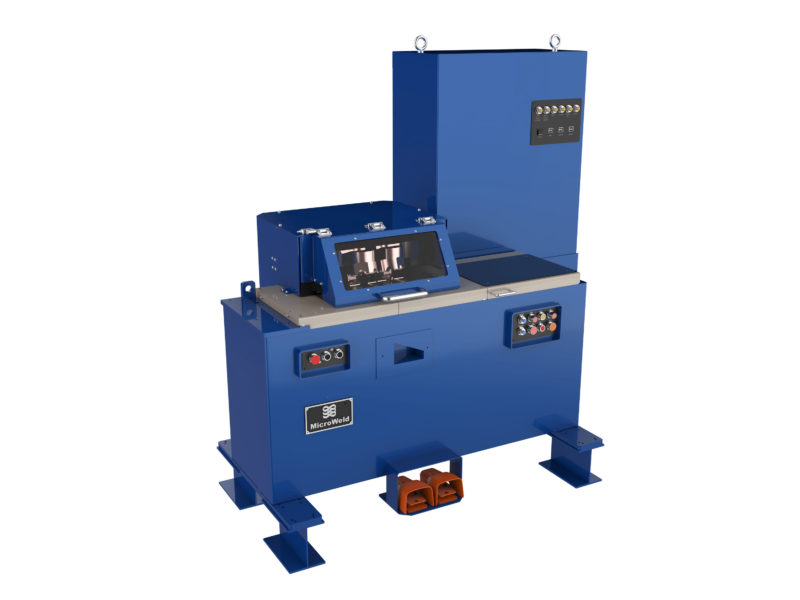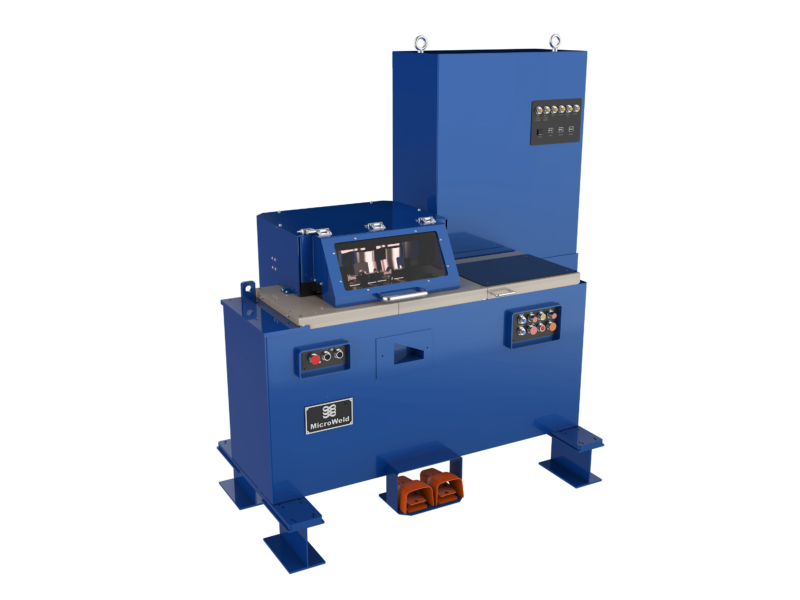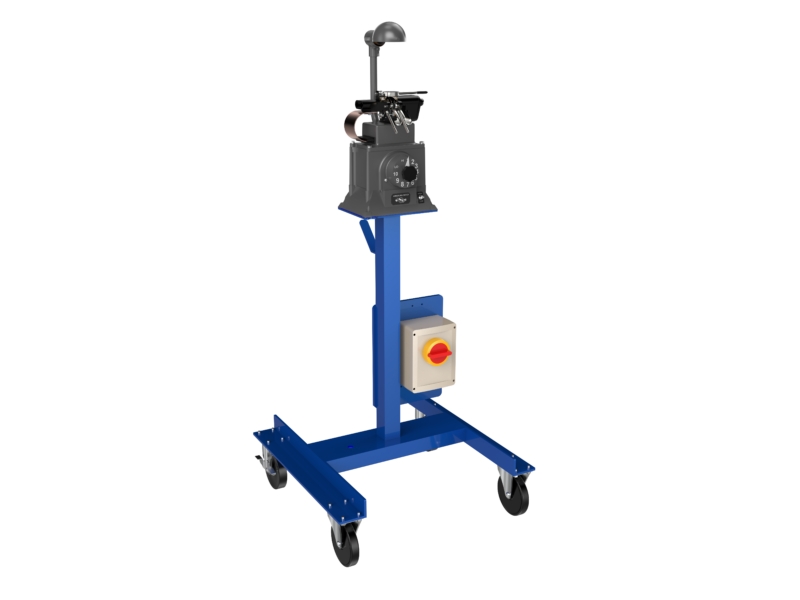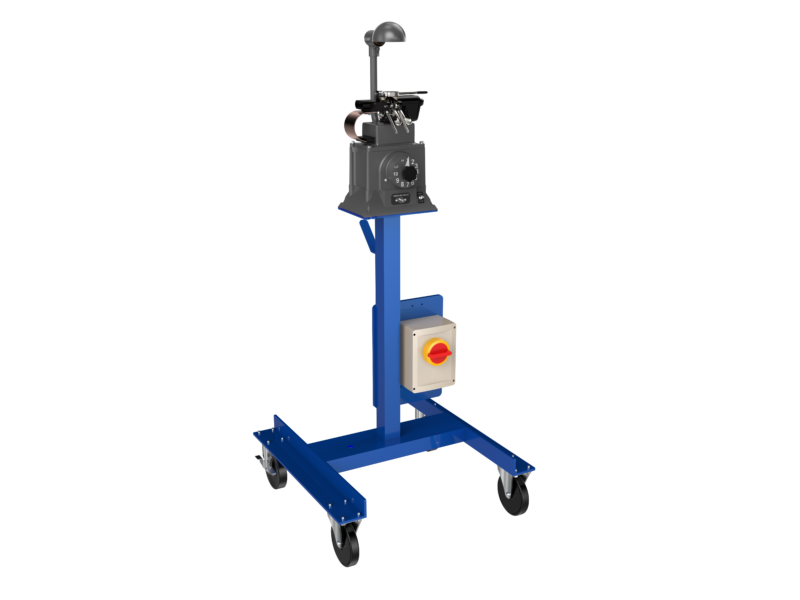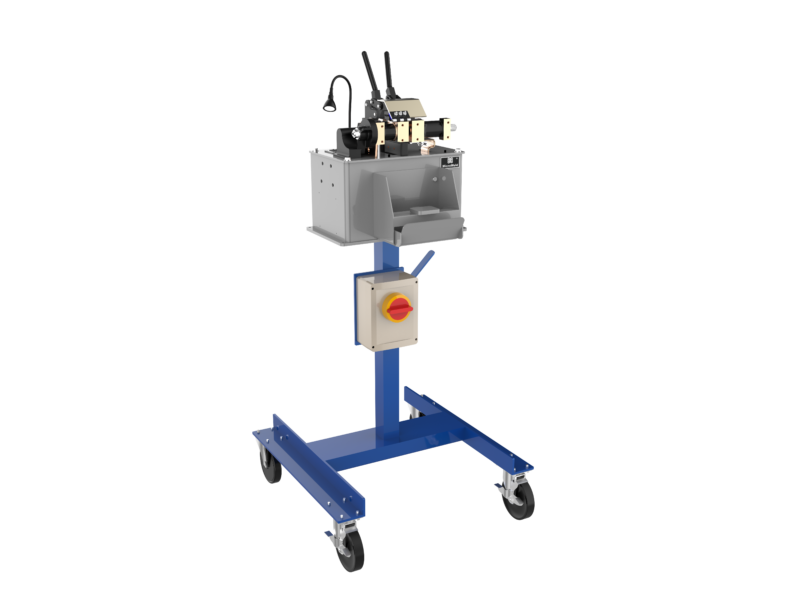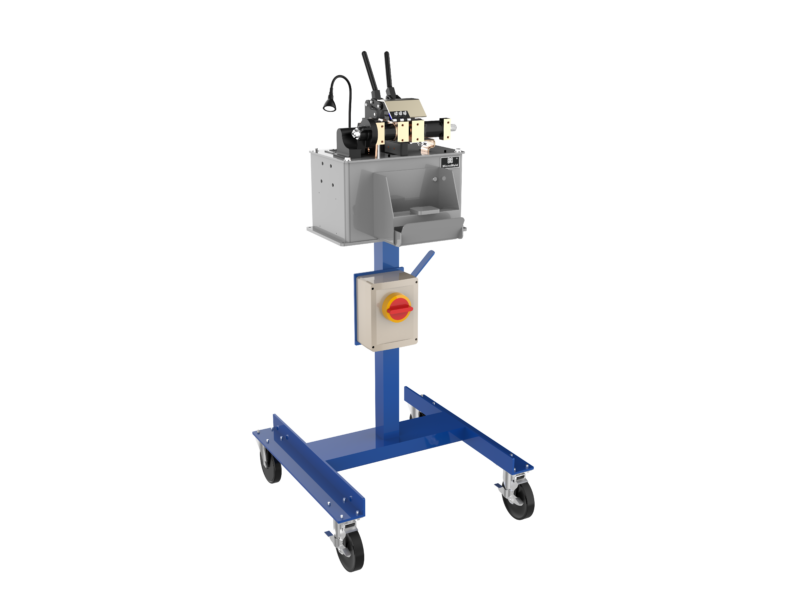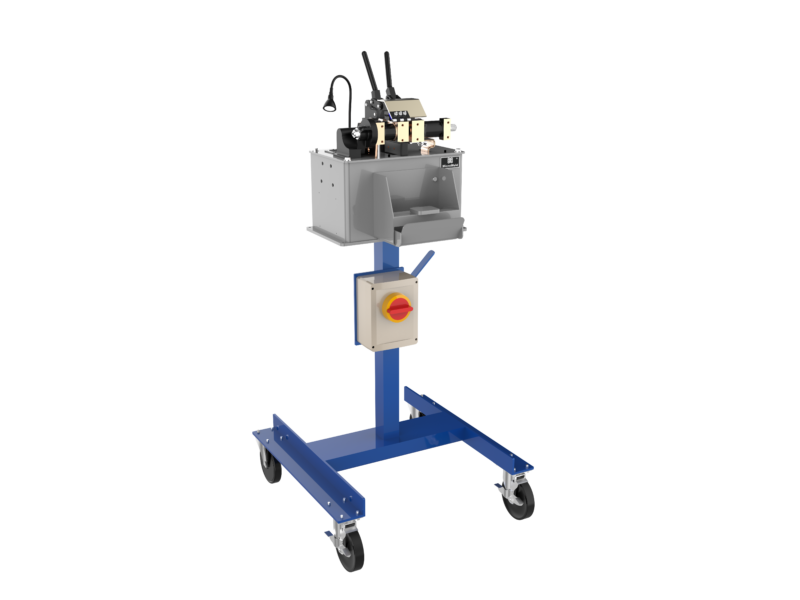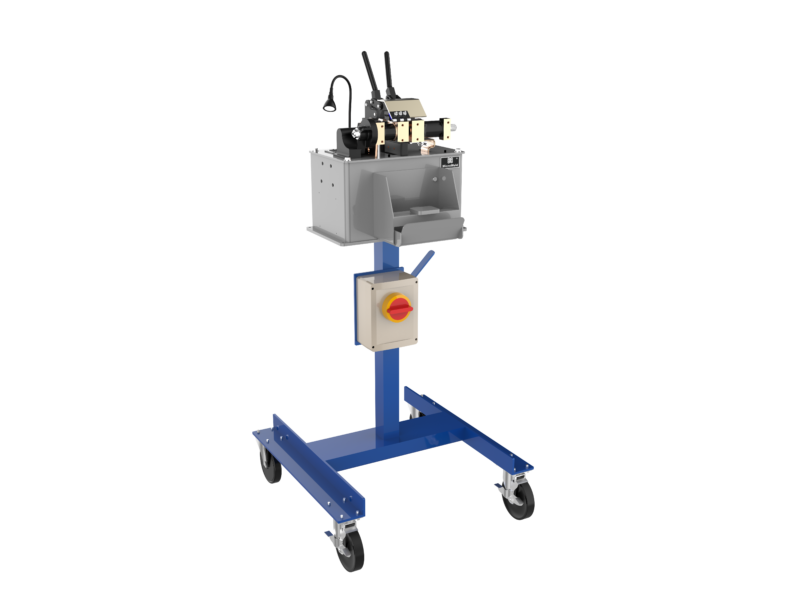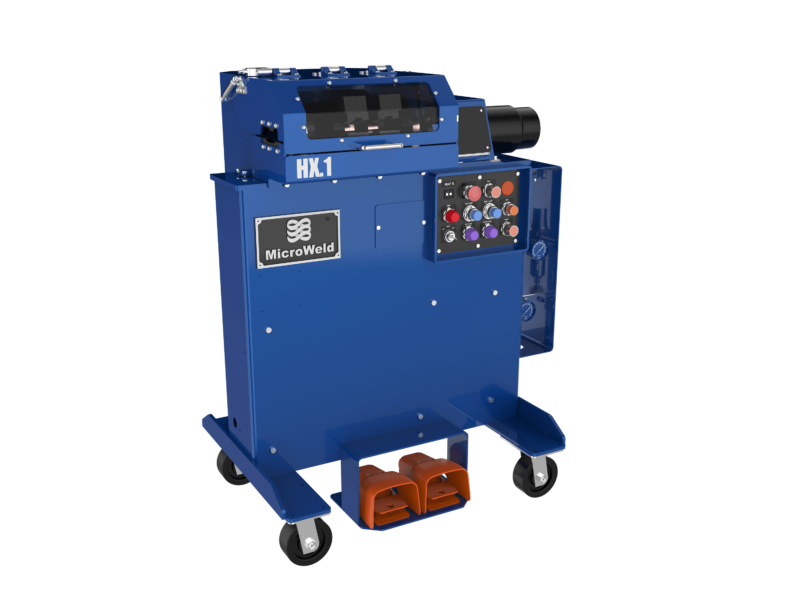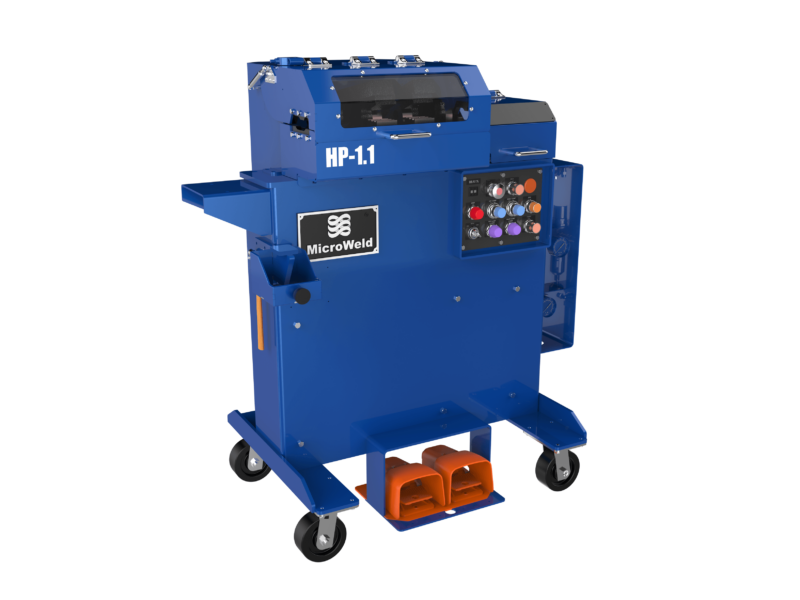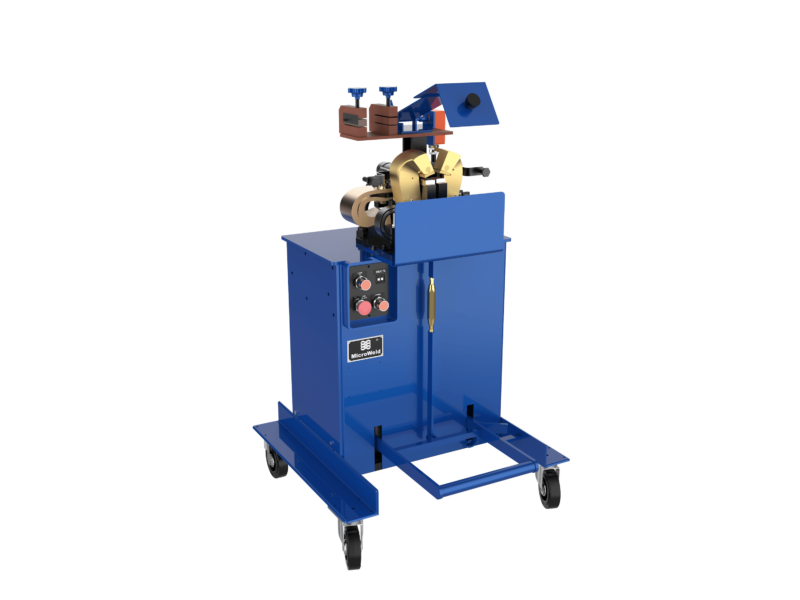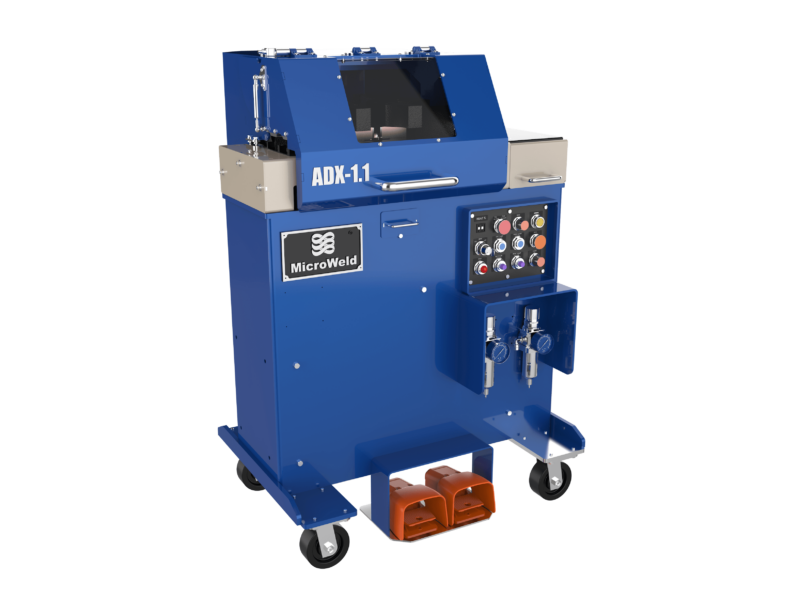
ADX-1.1
Stainless Steel, Steel, Titanium
View Product

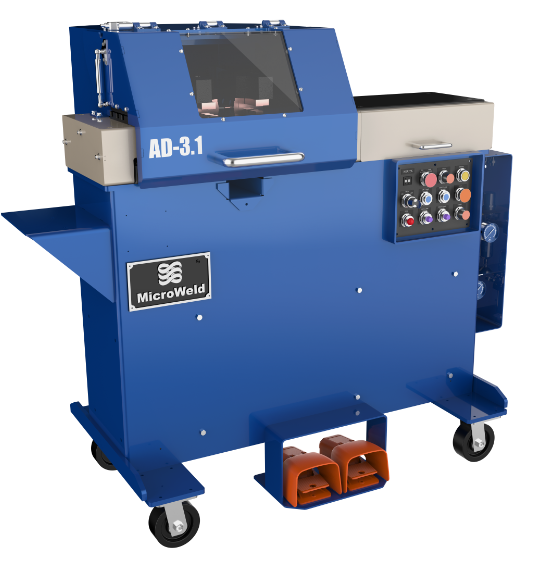
Designed to meet the rigorous demands of industries such as construction, automotive, and manufacturing, our machines deliver consistent, high-quality welds for steel and other ferrous metals. We offer a comprehensive range of solutions, including robust components, expert training, and customizable upgrades, ensuring optimal performance for your specific application. Maximize your welding efficiency with our cutting-edge ferrous butt welding machines—built for durability, accuracy, and long-lasting reliability.
Ferrous butt welding is typically used in production environments where steel continuity, weld integrity, and downstream process stability are critical. Micro-Weld machines support repeatable joining of ferrous materials under controlled heat and force parameters.
Common applications include:
Micro-Weld ferrous welding machines are used in manufacturing environments where steel joining directly affects throughput, tooling life, and finished part quality.
Typical industries and environments include:
Micro-Weld butt welders are designed to integrate into established wire, rod, and bar processing lines with minimal disruption. Machines can be configured to match existing material sizes, line speeds, and upstream/downstream equipment requirements.
Micro-Weld machines are built for repeatability in high-cycle environments, helping maintain consistent upset, alignment, and weld quality across extended production runs—reducing downstream variation and unplanned line interruptions.
Micro-Weld is known for responsive sales and service support, with direct access to experienced technical staff. This helps minimize downtime when production issues or process adjustments are required.
Yes. Micro-Weld maintains long-term support for its equipment, with readily available replacement parts and upgrade options—an important consideration for plants running equipment for decades.
Micro-Weld butt welders are designed with adaptability in mind, allowing for adjustments, accessories, and upgrades as material types, sizes, or production demands evolve.
Micro-Weld’s vertical integration—designing, building, servicing, and supporting equipment in-house—combined with long-standing customer relationships and fast response times, reduces risk for manufacturers who depend on welding uptime.
At Micro Weld, we pride ourselves on our dedicated customer care and support team. Our team is always ready to listen to your needs and work in partnership with you to develop the right solution for your team!